Many parents want to be the kind of adult their child can come to. The one who stays calm when a tricky question comes up.
The one who knows what to say when puberty starts, when bodies change, when friendships get complicated, when periods arrive, when online content appears, or when a child asks something that makes the whole room go quiet.
But wanting to be that adult and knowing how to be that adult are not always the same thing.
A growing body of Australian research is telling us something many parents already feel: children and young people need better conversations about bodies, puberty, relationships, consent and sexual health. But parents and trusted adults need support too.
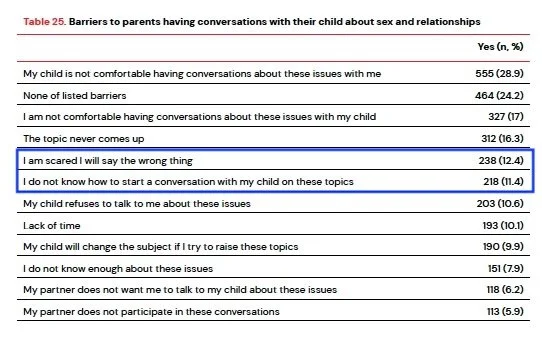
La Trobe University’s 2025 report, Beyond “The Talk”: Supporting parents and carers to speak with children about sex, relationships and consent, found that many parents care deeply about having these conversations, but often feel unsure about when to start, what to say, how much detail is age appropriate, and how to keep going when things feel awkward.
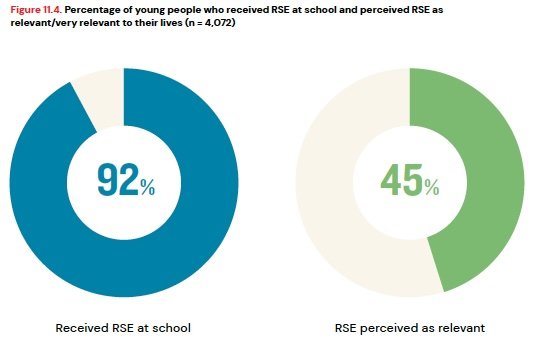
The same message appears in the latest 8th Australian Survey of Secondary Students and Sexual Health, which found that young people want relationships and sexuality education that is practical, relevant, inclusive and connected to real life.
At Franklie, this feels important.
Because puberty and period education are not just about facts. They are about building trust. They are about helping children know, early, that their bodies are not shameful, their questions are allowed, and the adults around them can handle the conversation.
The problem with “the talk”
For many adults, puberty, periods, sex, consent and relationships still sit under one big, intimidating idea: “the talk”.
It sounds serious. It sounds awkward. It sounds like something you need to prepare for, get exactly right, and deliver at the perfect time.
No wonder so many parents put it off.
But children do not need one perfect talk. They need many small conversations over time.
They need the car conversation after something comes up on the radio.
The bathroom cupboard moment when period products quietly appear before they are needed.
The calm answer when they ask what a word means.
The low-key check-in when their body starts changing.
The trusted adult who says, “I’m glad you asked”, instead of panicking, laughing, shutting it down, or sending them to someone else.
That is how children learn that awkward topics are still safe topics.
Parents want to help, but many were never shown how
One of the clearest findings from Beyond “The Talk” is that parents are not necessarily unwilling. Many are trying. Many are thoughtful. Many want to do better than the conversations they had growing up.
But many also feel underprepared.
Some did not receive open, honest puberty or sex education themselves. Some grew up in families where periods, bodies, sexuality or relationships were not discussed. Some are worried about saying too much too soon. Some are worried about saying the wrong thing. Some are navigating cultural, religious or family values and trying to work out how to be honest, safe and age appropriate at the same time.
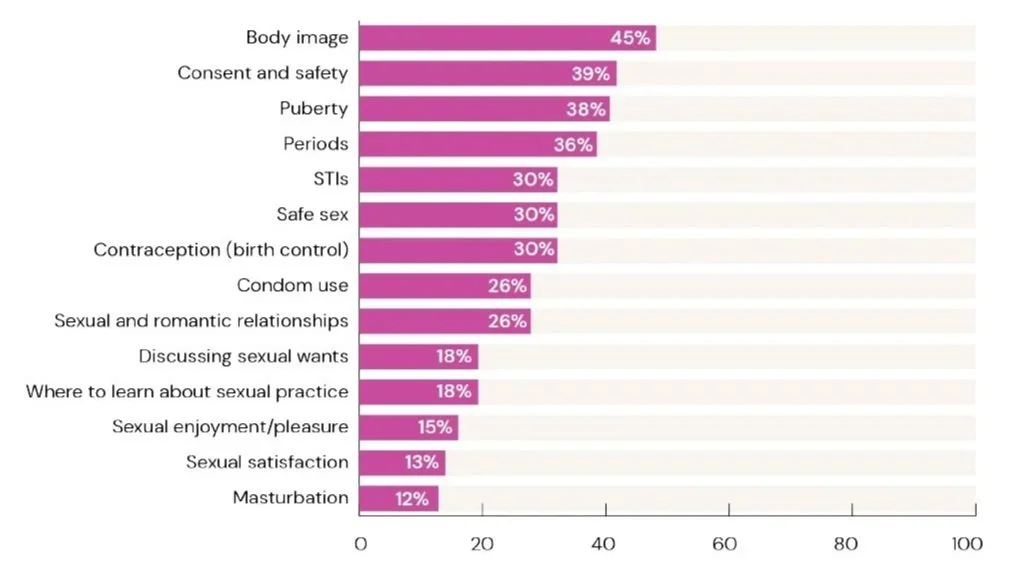
Beyond The Talk - Proportion of parents who were ‘very confident’ speaking to their eldest child about sex and relationship topics
When adults feel awkward, children can feel it too. Not because the adult has failed, but because children are very good at noticing tone, silence and discomfort.
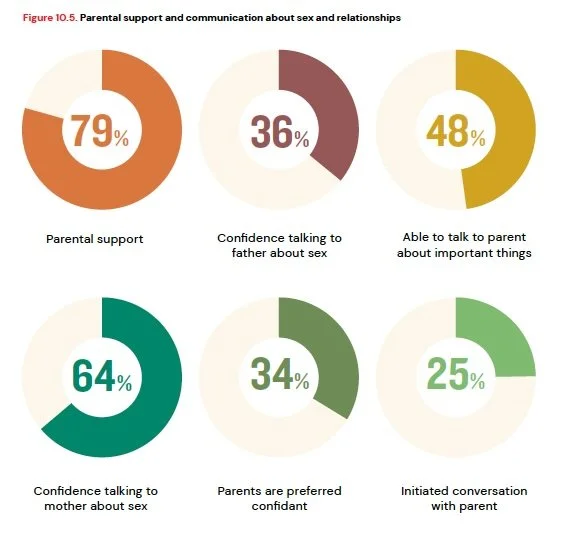
A child might not remember the exact words you used when you first talked about periods, bras, body odour, crushes, consent or privacy. But they will remember whether they felt safe, embarrassed, dismissed, rushed, or respected.
This is why supporting parents matters just as much as educating children.
Puberty is often the first doorway
At the moment, Franklie workshops begin with periods and puberty. That is intentional.
For many families, these are the first growing-up conversations that feel close, practical and immediate. A child may be noticing body changes. A parent may be wondering when to buy period products, how to explain mood changes, what to say about privacy, or how to make sure their child does not feel embarrassed.
But puberty is not the whole story.
It is the doorway.
When we talk about puberty well, we are also laying the groundwork for later conversations about consent, body image, online safety, relationships and asking for help.
A child who learns that periods are normal is also learning that bodies are not shameful.
A child who learns they can ask questions about puberty is also learning that questions are allowed.
A child who sees their trusted adult stay calm during a body conversation is more likely to believe that adult might stay calm during a harder conversation later.
That is the bigger mission behind Franklie.
We are starting with puberty and periods because that is where many families are ready to begin. But the work is broader: helping children and trusted adults build the kind of open, age-appropriate conversations that can keep growing with them.
Trusted adults are part of the education
Schools matter. Good relationships and sexuality education matters. Health professionals matter. Reliable resources matter.
But home matters too.
Children learn a lot from what adults say. They also learn from what adults avoid.
They notice who buys the pads. Who changes the subject. Who makes jokes. Who gets embarrassed. Who says, “ask your mum”. Who says, “I can help too”.
This is why the idea of a “trusted adult” is so powerful.
A trusted adult does not need to be the world’s leading expert on puberty, consent or online safety. They need to be someone a child can approach without feeling weird, ashamed or in trouble.
That might be a mum, dad, auntie, grandparent, godparent, older sibling, carer, teacher, family friend or health professional.
The important thing is not that one adult knows everything. It is that a child has safe people around them who can listen, answer honestly, find information when needed, and keep the door open.
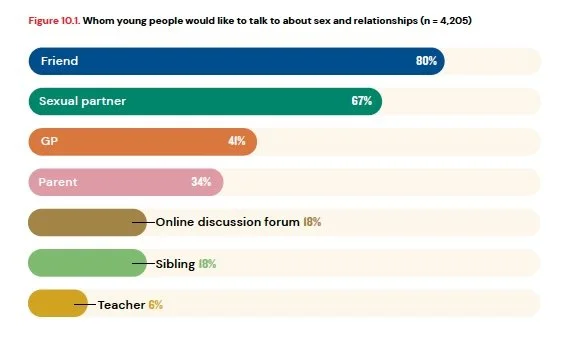
Parents and schools matter, but young people are most likely to turn to friends first. This is why trust at home needs to be built early, gently and often.
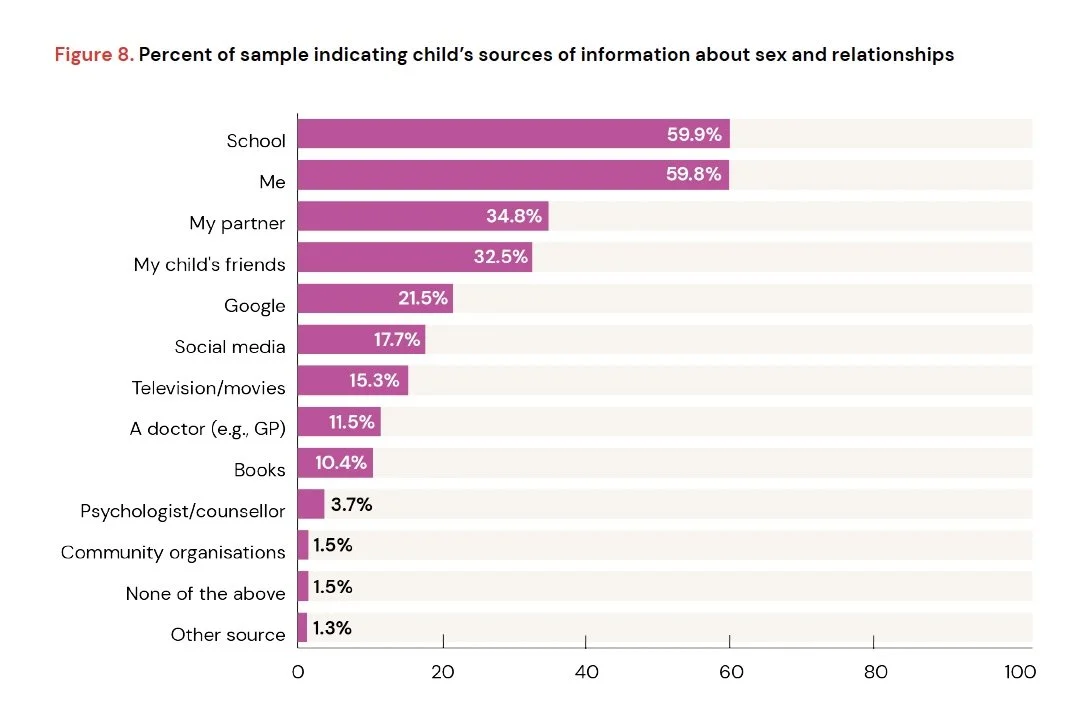
Parents often see themselves and schools as the main sources of information. But this may reflect where adults think children are learning, not always who children actually feel most comfortable turning to.
Dads and male caregivers need a way in too
One of the strongest themes in the research is that mothers often carry most of the responsibility for conversations about bodies, puberty, sex and relationships.
That will feel familiar to many families.
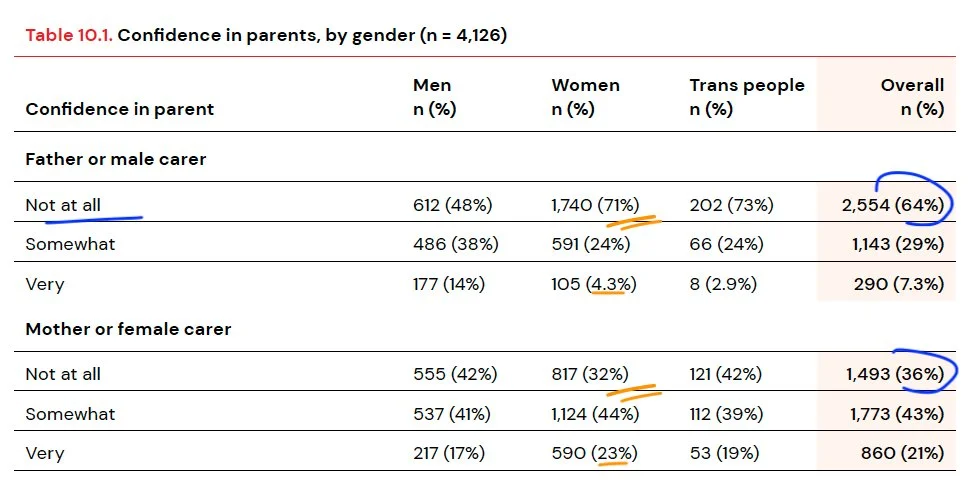
The gap is hard to ignore. This data shows young people are far less likely to feel confident going to fathers or male carers for these conversations, which is why supporting dads matters.
Periods are often treated as something mums explain. Puberty products are often handled by mums. Emotional conversations are often expected to sit with mums. Dads and male caregivers may care deeply, but feel awkward, unsure or afraid of getting it wrong.
At Franklie, we want to change that.
Not by forcing dads to become experts overnight, but by giving them a way in.
A dad does not need perfect words to support a daughter through puberty. He can say:
“I might not know everything, but I can help.”
“I’m glad you told me.”
“Do you want help, space, or Mum?”
“We can work it out together.”
Periods are not dirty, secret or shameful. They are normal. And when dads can show that through calm, practical support, they help remove some of the embarrassment children often carry.
This matters for sons and brothers too. Boys benefit from learning that bodies change, periods are normal, private things are not for teasing, and respect starts early.
In the future, Franklie hopes to offer dedicated sessions for dads and daughters, as well as parent-only evenings where dads and male caregivers can build confidence, ask questions and practise language before they need it in real life.
What parents can say when they feel awkward
You do not need a script for every possible question. But a few simple sentences can make a big difference.
Try:
“That is a really good question.”
“I’m glad you asked me.”
“You are not in trouble.”
“I do not know the perfect answer, but we can find out together.”
“That is normal, and lots of people wonder about it.”
“You can always come back to me if you want to talk more.”
“I might feel a little awkward, but that does not mean the topic is wrong.”
The goal is not to sound polished. The goal is to sound safe.
Why Franklie is for adults too
Franklie workshops are designed for children, but they are also designed for the adults beside them.
In our period and puberty workshops, children learn about body changes, periods, products, feelings, privacy and what to expect. But something else is happening too: the adult and child are sharing language, hearing the same information, and practising being in the conversation together.
That shared experience matters.
It means the car ride home can be easier.
It means the next question may not feel so out of nowhere.
It means the adult has a starting point.
It means the child has seen that this grown-up can sit beside them through an awkward topic and not make it weird.
As Franklie grows, we are planning more workshops and evening sessions around the topics families are already asking for: consent, body image, online safety and parent-only support. These came through clearly in our own post-workshop feedback, and they echo what the research is showing nationally: parents want help to support their children through more than puberty alone.
They want their children to be informed, safe, confident and able to ask for help.
And many parents want to feel more ready too.
You do not have to wait for the perfect moment
The perfect moment may not come.
Your child may not ask the question clearly. They may ask it at bedtime, in the car, in the supermarket, or just as you are trying to make dinner. They may roll their eyes. They may act like they are not listening. They may say, “never mind”.
That does not mean the conversation failed.
Sometimes the message is not “here is everything you need to know”.
Sometimes the message is simply:
“I can handle this.”
“You can come to me.”
“We can keep talking.”
At Franklie, that is the world we want to help build. One where growing up is not whispered about, bodies are not treated like problems, periods are not hidden, and children have trusted adults who feel supported enough to show up.
Not perfectly.
Just calmly, kindly and again.